Refinancing can be one of the best life finance decisions that you make but only if you pick the right option for your situation. Whether you want to pay less each month, get a lower rate, shorten your loan term or cash out some of your equity, the right refinancing option for you will depend on your specific financial circumstances. With multiple refinance programs on the table, it's easy to lose track of which is best for you over the long run.
Most homeowners concentrate solely on obtaining a lower interest rate, while refinancing entails so much more than that. Refinancing can have financial benefits and also because closing costs, loan terms, home equity and credit score are inseparable factors in understanding how long you plan to stay in your home. The narrowest payoff window could reduce the savings you expect from refinancing or, worse yet, raise your total borrowing costs.
What Does It Mean to Refinance Your Mortgage?
Essentially, refinancing means switching out your mortgage for a new one-a new interest rate, loan term or loan amount. You pay off the existing loan with a new one, and you begin terms anew.
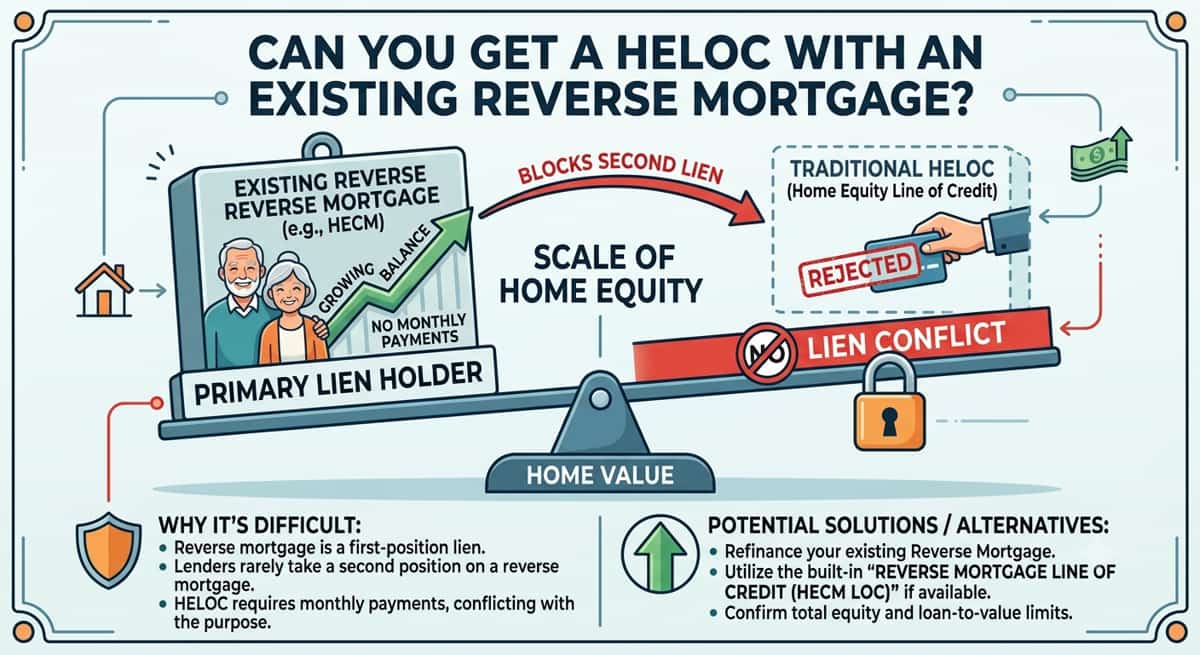
Refinancing is often confused with a home equity loan or HELOC which are not the same. Refinancing replaces your entire mortgage. A home equity loan or HELOC is another loan secured by the value in your home, which can be considered a second mortgage if you already have one. Comparisons like this are among the most common questions I get so well look at them in more detail below.
Why Homeowners Refinance
People refinance for all kinds of reasons, and knowing yours is the first step in choosing the right option. The most common goals include:
Locking in a lower interest rate
Shortening the loan term to pay off the home faster
Extending the term to lower monthly payments
Cashing out equity for renovations, debt payoff, or other needs
Removing private mortgage insurance (PMI)
Switching from an adjustable-rate to a fixed-rate loan
Consolidating higher-interest debt into one lower-rate payment
The Types of Mortgage Refinancing
Refinancing doesn't work the same way for everyone. These distinctions will save you time up front and force smarter questions out of you when speaking to a lender or an advisor.
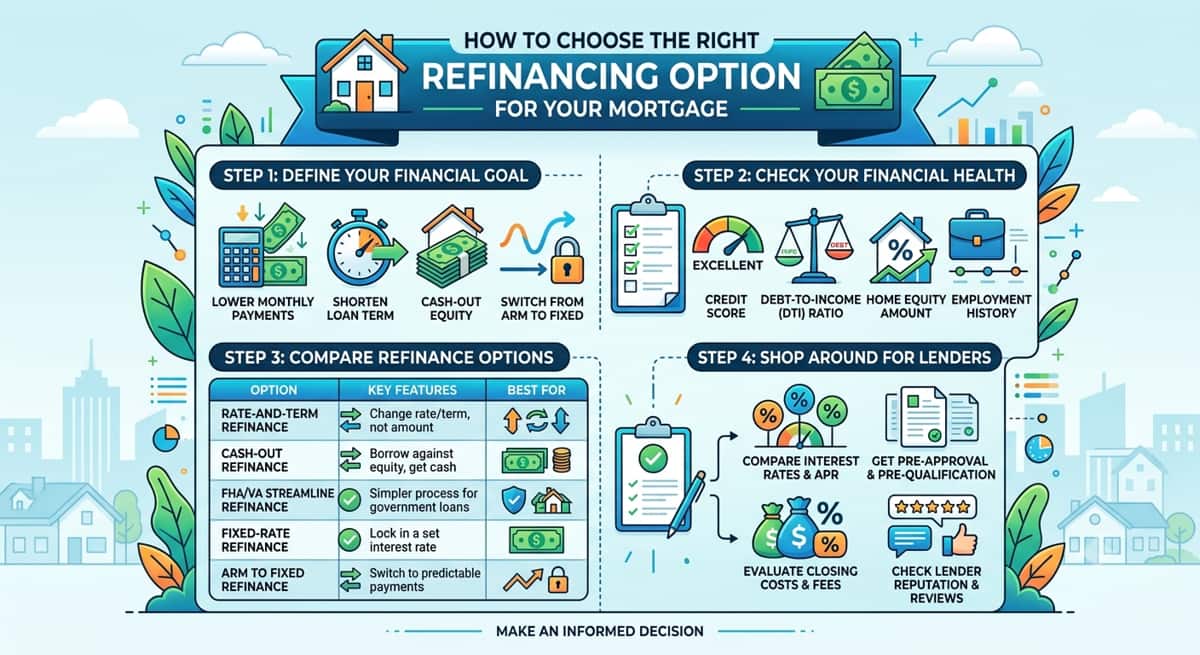
Rate-and-Term Refinance
This is the simplest refinancing. This is about doing cash out cash in hand, you are simply modifying the interest rate, loan term or both. You, like most people, would do this to reduce your monthly payment or pay off the home sooner with no increase in the debt owed.
Cash-Out Refinance
Cash–out refinance: A cash–out refinance pays off your existing mortgage loan with a larger one, and you pocket the difference. This is a common method of paying for home repairs, funding education or consolidating debt. That said, since you are using your home's equity as collateral to borrow additional money it's a good idea to be cautious here not only is your loan balance increasing but so too is this kind of lowering down payment above what you owe if home prices decline. This option warrants a realistic assessment of your aspirations before you sign on.
Cash-In Refinance
Not talked about as much, cash-in refinance is when you actually bring money to closing to reduce your loan balance. Homeowners do this to get to 20% equity (therefore avoiding PMI), qualify for a better rate, or simply lower their loan-to-value ratio.
Streamline Refinance (FHA/VA)
If your existing home loan is FHA or VA-backed, you might qualify for a streamline refinance an easier process with less paperwork and often no new appraisal. Government programs like those from the FHA and Department of Veterans Affairs (VA) to help, but have narrow eligibility for current homeowners who want a lower rate on an existing government-backed loan.
Home Equity Loan vs. HELOC vs. Cash-Out Refinance
This is one of the questions I hear most often, so let's break it down simply:
Option | How It Works | Best For |
Cash-Out Refinance | Replaces your entire mortgage with a new, larger one | Homeowners who also want to change their rate or term |
Home Equity Loan | A second loan with a fixed amount and fixed payment | Homeowners who want predictable payments for a one-time expense |
HELOC | A revolving line of credit, similar to a credit card | Homeowners who want flexible access to funds over time |
There's no universally "right" answer here it depends on how much you need, how you plan to use it, and whether you want a fixed payment or flexibility.
Key Factors to Consider Before Choosing a Refinance Option
Planning on a refinance type? You should consider taking a good, hard look at your finances first. These are the factors that I walk every single one of my clients through.
Current Interest Rate vs. Market Rate
Start with the basics: how does your current rate compare to today's rates? Even a modest drop can add up to real savings over the life of your loan, but it's worth running the numbers rather than assuming.
Break-Even Point on Closing Costs
Refinancing isn't free there are closing costs, typically a few thousand dollars. To see if it's worth it, divide your total closing costs by your estimated monthly savings. That tells you how many months it will take to "break even point." If you plan to stay in your home longer than that, refinancing likely makes sense.
Loan-to-Value (LTV) Ratio and Home Equity
Your loan-to-value ratio compares what you owe to your home's current value. The more equity you have, the more refinancing options and often better rates you'll qualify for. This matters even more for cash-out refinances, since lenders typically cap how much equity you can access.
Credit Score and Debt-to-Income Ratio Impact
Your credit score and debt-to-income (DTI) ratio play a big role in the rate and terms you're offered. If your credit has improved since you took out your original mortgage, refinancing could unlock a noticeably better rate than you have now.
How Long You Plan to Stay in the Home
If you're planning to move in the next couple of years, refinancing might not make sense you may not stay long enough to recoup the closing costs. If this is your long-term home, the math often looks very different.
Your Financial Goals (Lower Payment vs. Cash Access vs. Faster Payoff)
At the end of the day, the best refinance option depends on your goals. Do you want to reduce the monthly payment and start breathing again? Access equity for a certain need. Or pay off your home quicker, so you pay less interest? You can take aim at the right sort of refinance by getting clear on this goal.
Step-by-Step: How to Choose the Right Refinancing Option
Here's the process I walk clients through, simplified into six steps.
Step 1 – Define Your Refinancing Goal
Before comparing rates or loan types, get specific about why you want to refinance. Lower payment? Cash for a project? Faster payoff? Your goal shapes everything that follows.
Step 2 – Check Your Home Equity and Credit Profile
Get a rough sense of your home's current value and your credit score. This gives you a realistic picture of which refinance options you'll likely qualify for.
Step 3 – Compare Loan Types and Terms
With your goal and financial picture in mind, compare rate-and-term, cash-out, and streamline options against what you actually need. Not every option will fit your situation.
Step 4 – Request and Compare Loan Estimates
Once you've narrowed things down, request loan estimates from a few lenders or advisors. Compare the interest rate, closing costs, and monthly payment side by side not just the headline rate.
Step 5 – Calculate Your Break-Even Timeline
Using the formula from earlier, figure out how long it will take for the savings to outweigh the costs. This single number often makes the decision much clearer.
Step 6 – Consult a Licensed Mortgage Advisor
Numbers only tell part of the story. A licensed advisor can help you weigh your options against your full financial picture, flag anything you might have missed, and guide you toward the option that truly fits your life not just a spreadsheet.
Risks and Mistakes to Avoid When Refinancing
Refinancing can absolutely be a smart move, but I've also seen homeowners make avoidable mistakes. Here's what to watch for.
Extending Your Loan Term Unnecessarily
Resetting to a new 30-year term can lower your monthly payment, but it may also mean paying more interest over time, even at a lower rate. Make sure you understand the full trade-off.
Ignoring Total Closing Costs
It's easy to focus on the interest rate and overlook fees, points, and closing costs. Always look at the full cost of the loan, not just the rate.
Cashing Out More Equity Than Needed
It can be tempting to pull out extra cash "just in case," but every dollar borrowed adds to your loan balance and your monthly payment. Borrow what you need for your actual goal.
Not Shopping Multiple Lenders/Advisors
Rates and fees vary more than people expect. Getting a couple of quotes rather than accepting the first offer can meaningfully change your savings.
When Should You Work With a Mortgage Advisor for Refinancing?
Benefits of Personalized Guidance vs. DIY Rate Shopping
Comparing rates online is a good starting point, but it rarely captures your full picture your equity, your goals, your timeline, and how different loan types interact with your broader finances. A mortgage advisor looks at all of it together, helps you avoid costly missteps, and can often spot savings or options you wouldn't find on your own.
Questions to Ask a Refinancing Advisor
When you do talk to an advisor, these questions can help you get a clear, honest picture:
What's my estimated break-even point with this refinance?
Are there other refinance types I should be considering?
How will this affect my total interest paid over the life of the loan?
What closing costs should I expect, and are any negotiable?
How does this compare to a home equity loan or HELOC for my situation?
Making a Confident Refinancing Decision
Refinancing can be a powerful financial move, but the right decision depends on your personal goals, current mortgage terms, and long-term plans. Whether you're looking to lower your monthly payment, secure a better interest rate, shorten your loan term, or access your home equity, taking the time to compare your options can help you avoid costly mistakes. Review the total costs of refinancing, calculate your potential savings, and consider how long you plan to stay in your home before making a commitment.
A confident refinancing decision isn't about chasing the lowest advertised rate it's about choosing the option that aligns with your financial situation and future objectives. By understanding the differences between available refinance options, comparing multiple lenders, and evaluating the long-term impact, you can make an informed choice that strengthens your financial position. When approached strategically, refinancing can help you save money, improve cash flow, and move closer to your overall financial goals.